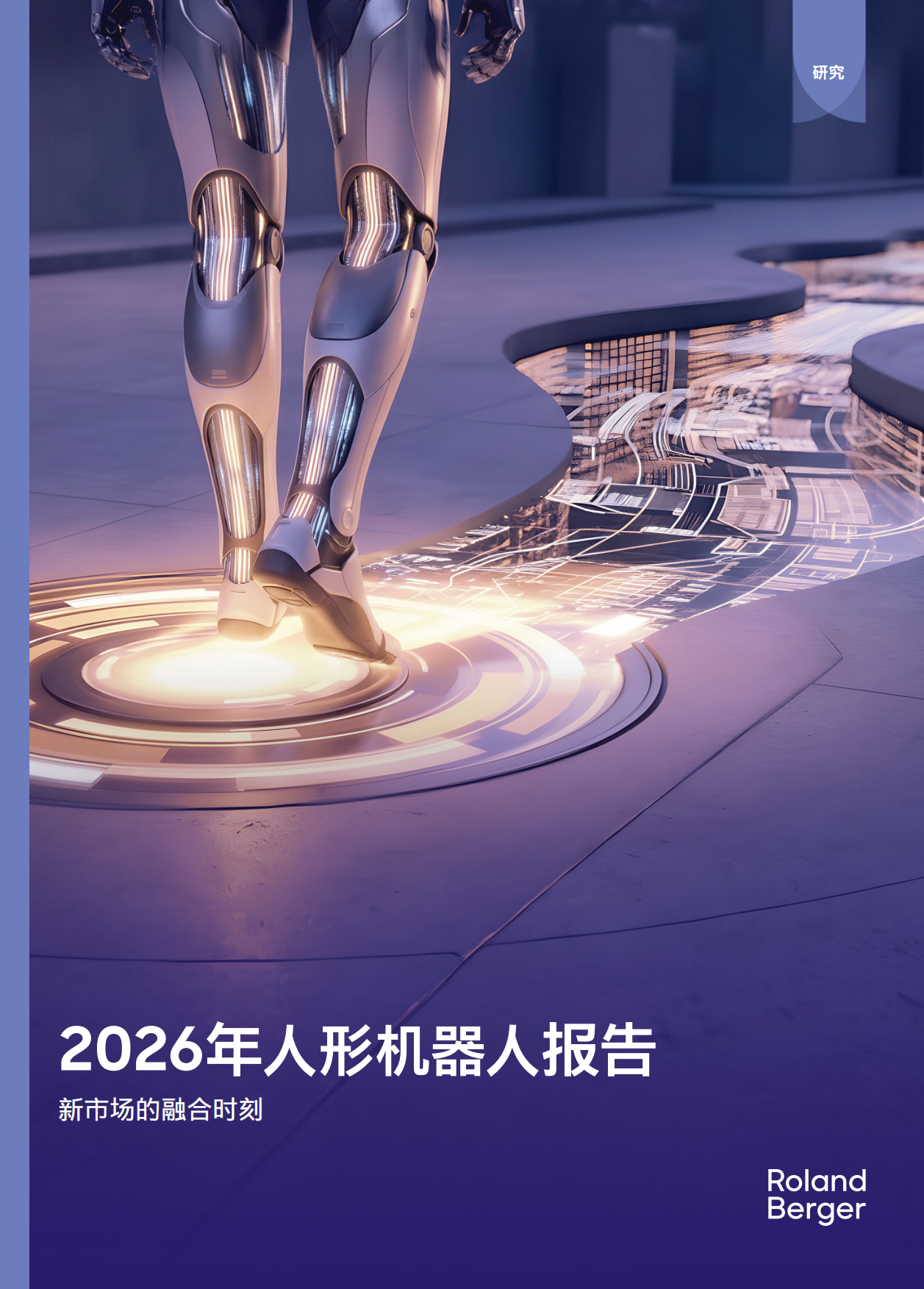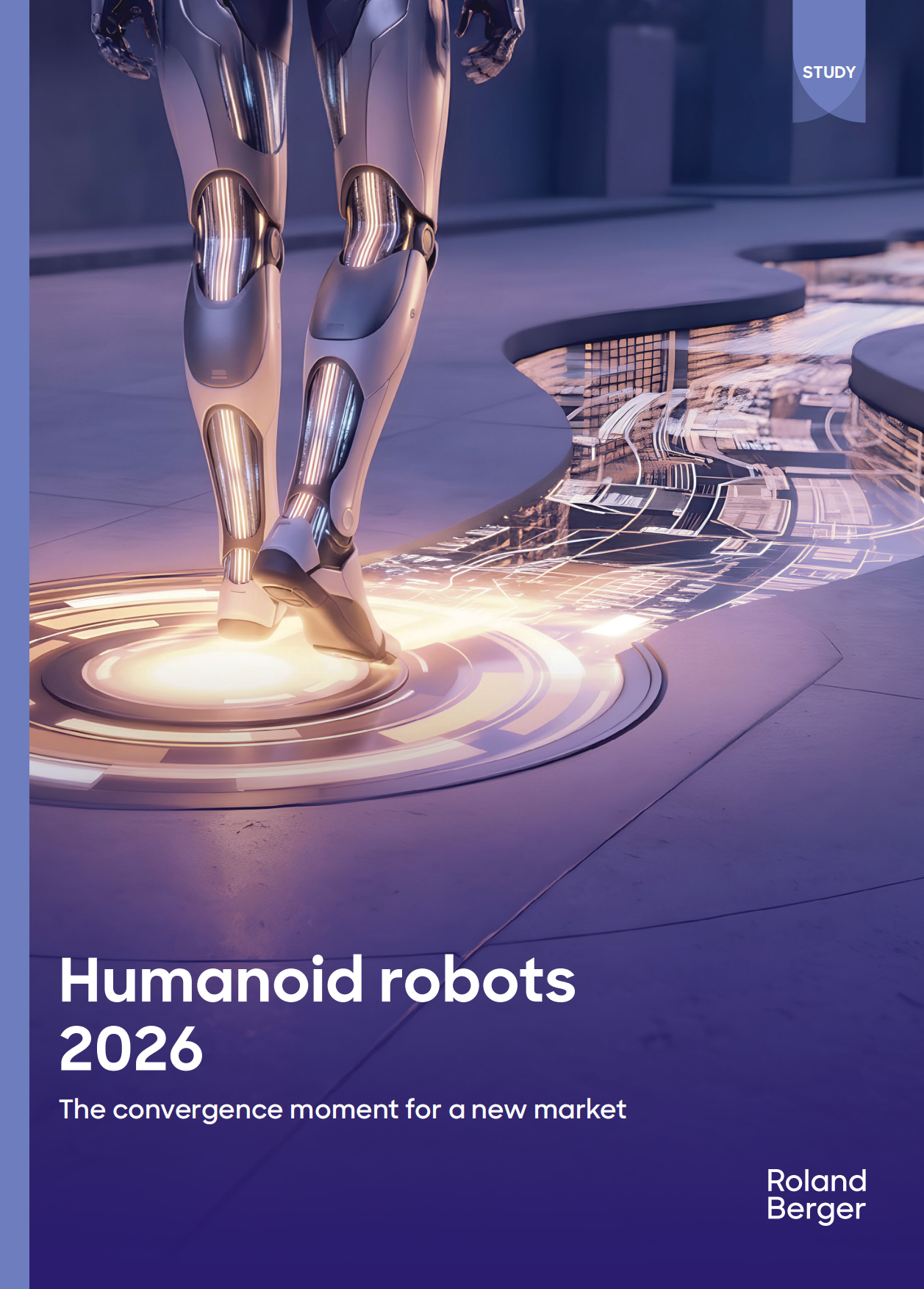
The convergence moment for a new marketHumanoid robots 2026STUDY
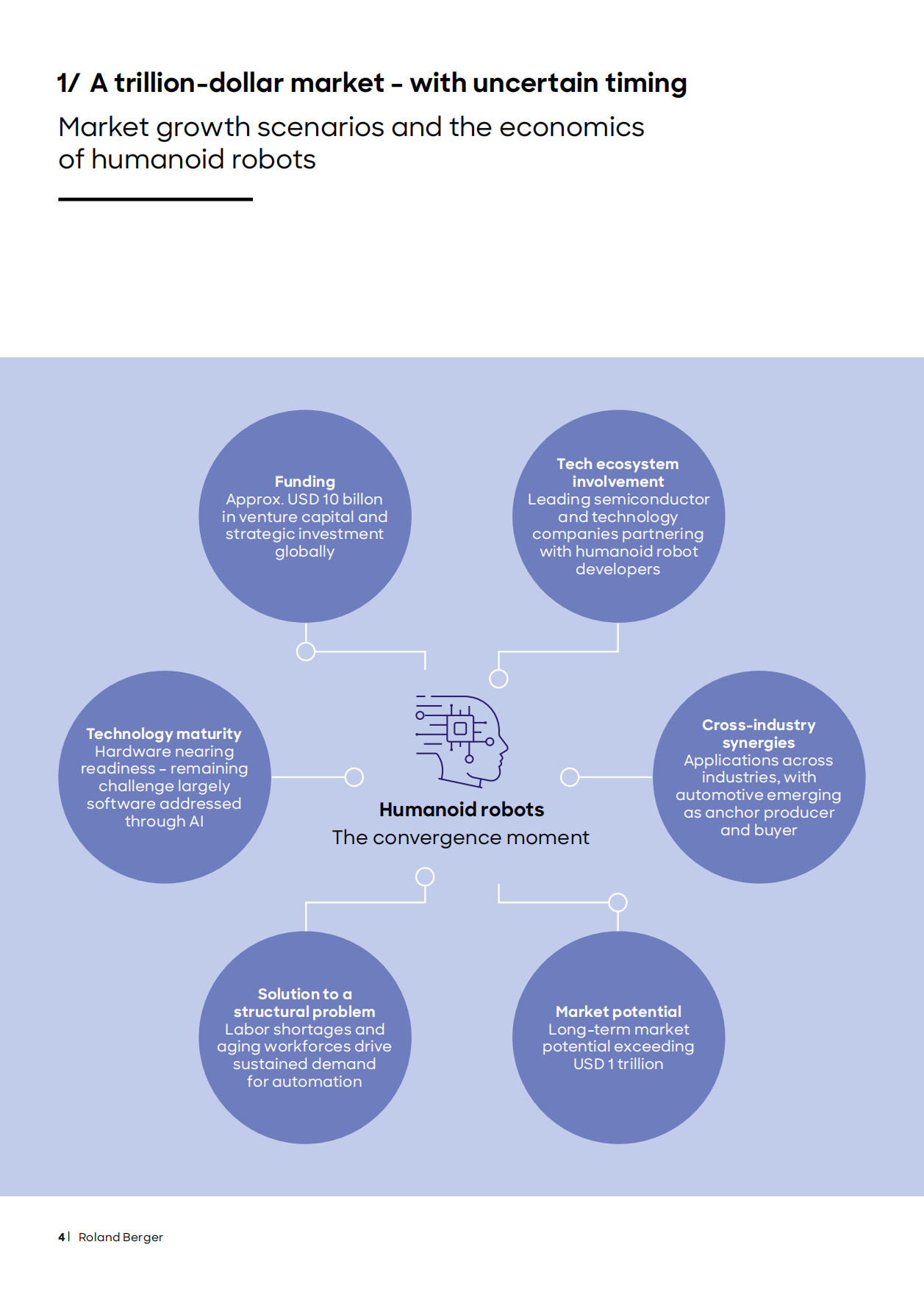
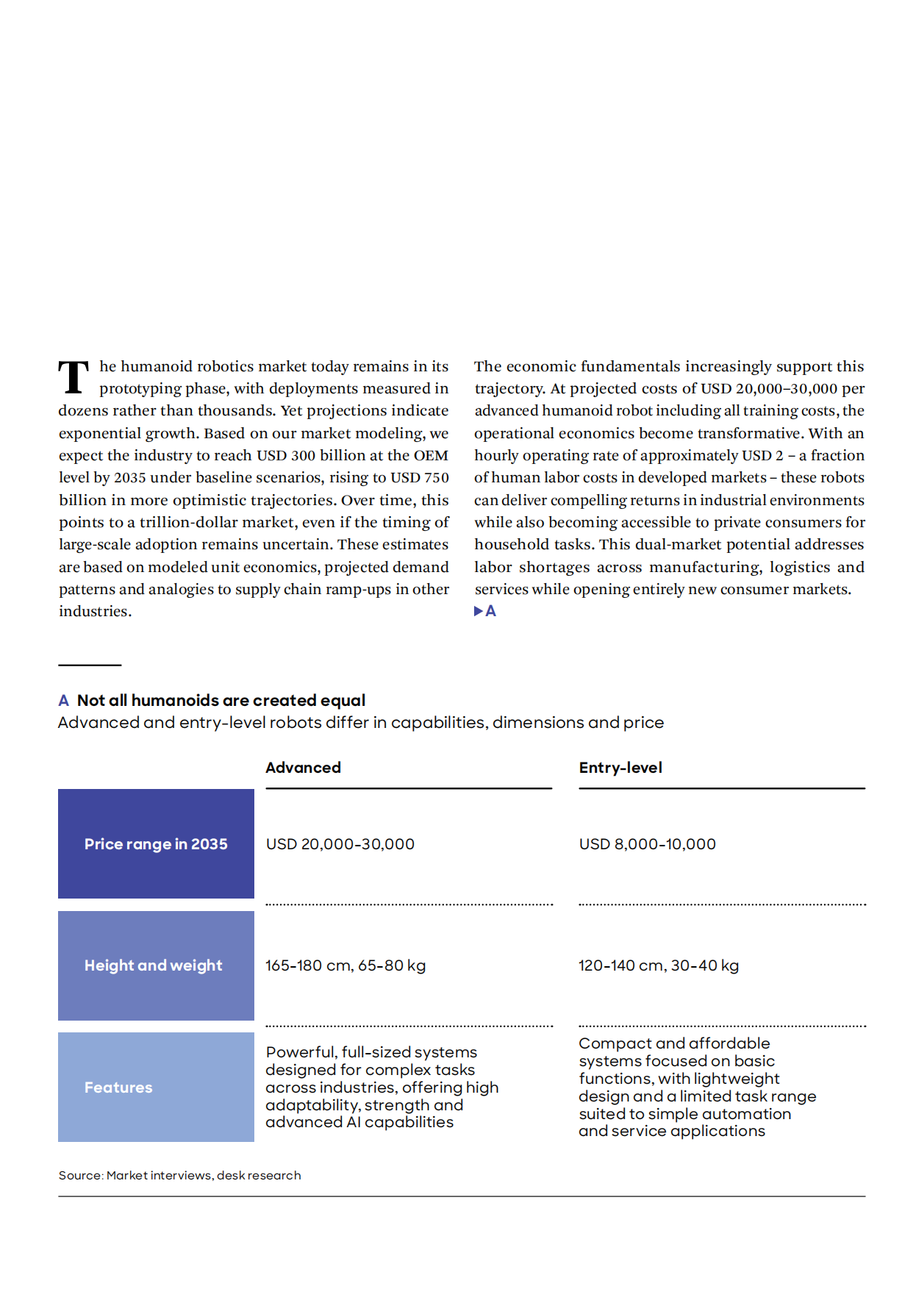
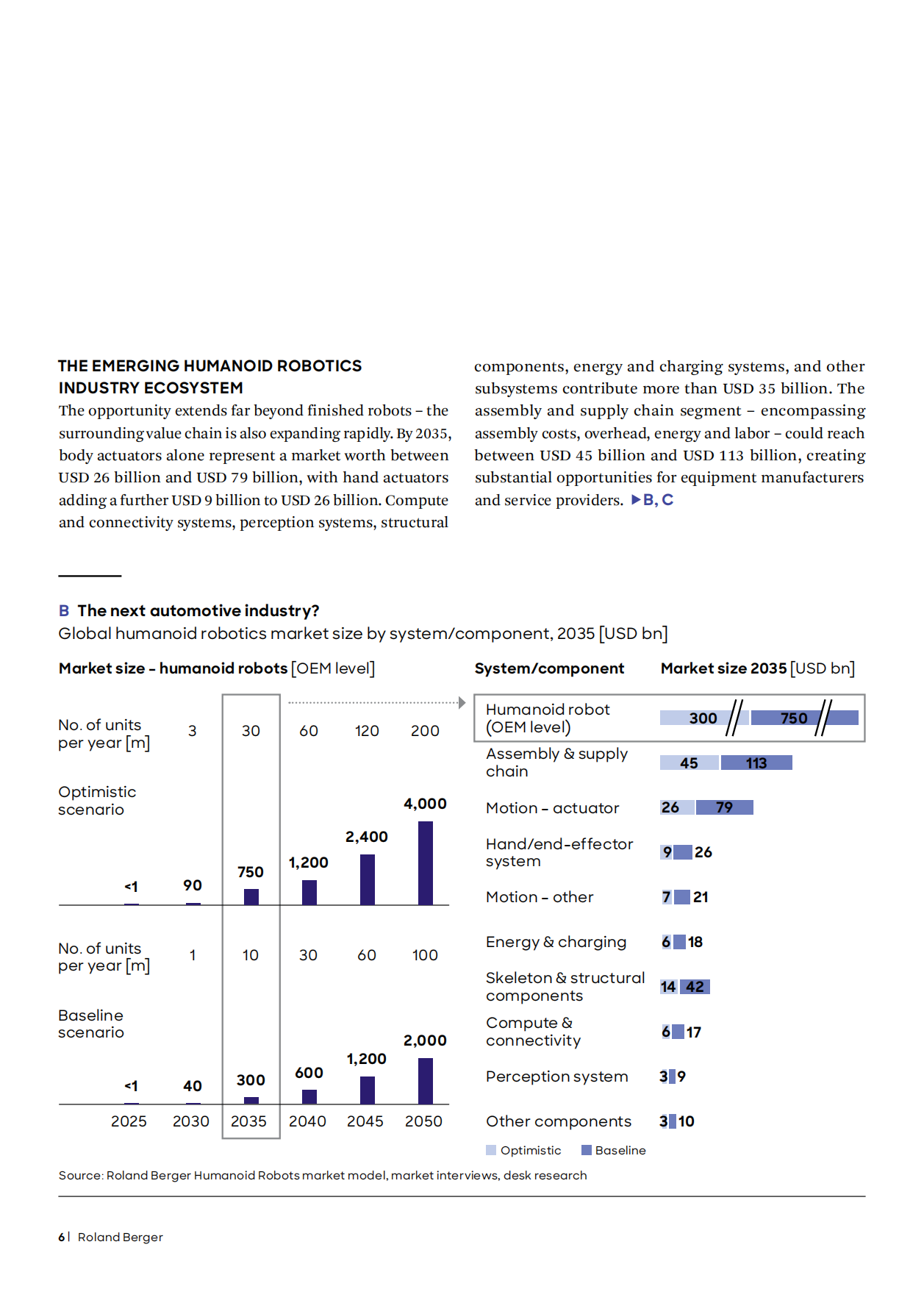
Humanoid robots are moving from science fiction to industrial reality. Advances in AI and robotics hardware are making it increasingly feasible to build machines capable of operating in human-designed environments. At the same time, labor shortages are strengthening the need for new forms of automation. This marks a convergence moment where technological capability meets market demand, bringing humanoid robots closer to real-world deployment across industry and beyond.If current trajectories hold, the economic implications could be substantial. As part of the broader move toward physical AI, humanoid robots are likely to evolve into a multi-trillion-dollar industry – according to our projections, representing a market of up to USD 750 billion by 2035 and up to USD 4 trillion by 2050, comparable in scale to the automotive industry today. For industrial, automotive and electronics companies, humanoid robots thus represent a significant growth opportunity and, at projected operating costs of just two dollars an hour, a potential lever for major efficiency gains.What distinguishes the current wave of development from previous automation cycles is how robots are learning and adapting. Advances across key technologies such as advanced actuators, edge computing and generative AI/vision-language models (VLMs) provide the foundation for interpreting complex and unpredictable environments. With working-age populations projected to decline by up to 22 percent in some regions by 2050, industries also face a structural labor gap that traditional automation cannot fully address. Humanoid robots offer a distinctive advantage: they can operate within processes and infrastructure designed for human workers, performing diverse tasks without expensive product and facility redesign.Perhaps the strongest validation of this trajectory is the breadth of industry engagement already emerging. Early prototypes are being deployed in manufacturing facilities, while logistics operators are testing warehouse applications. Combined with equity investments of approx. USD 10 billion and partnerships with leading semiconductor players, humanoid robotics is moving beyond speculation toward commercial reality. The key question is no longer whether humanoid robots will emerge as a viable technology, but how quickly they will scale – and which companies position themselves early enough to capture the opportunity.Humanoid robots 2026 The convergence moment for a new marketMANAGEMENT SUMMARY2 | Roland Berger
P 4P 8P 14P 16P 21P 261/ A trillion-dollar market – with uncertain timing Market growth scenarios and the economics of humanoid robots2/ Technological readiness Hardware is maturing, but software and ecosystem gaps remain 3/ Two ecosystems, two scaling curves China's deployment-led strategy and the West's AI-driven approach4/ Where va...