1、当您付费下载文档后,您只拥有了使用权限,并不意味着购买了版权,文档只能用于自身使用,不得用于其他商业用途(如 [转卖]进行直接盈利或[编辑后售卖]进行间接盈利)。
2、本站所有内容均由合作方或网友上传,本站不对文档的完整性、权威性及其观点立场正确性做任何保证或承诺!文档内容仅供研究参考,付费前请自行鉴别。
3、如文档内容存在违规,或者侵犯商业秘密、侵犯著作权等,请点击“违规举报”。
查找下载文件的指引
一、电脑端
- Windows 系统:按下键盘快捷键 `Ctrl + J`,即可打开下载列表。
- Mac 系统:按下键盘快捷键 `⌘ + J`,即可打开下载列表。
二、手机端
1. 打开手机浏览器,点击浏览器右下角的 “≡”(或“更多”)图标。
2. 在弹出的菜单中找到并点击 “下载内容”(或类似选项),即可查看已下载的文件。
提示:不同浏览器界面略有差异,若未找到“下载”入口,可尝试在浏览器设置中搜索“下载”关键词。
 2025年医疗人工智能产业报告-蛋壳研究院
 2026“人工智能+供应链”创新发展报告-中国物流与采购联合会
 2026全球人工智能+特殊教育发展报告:同一个世界同一种爱-北京师范大学
 2025年欧洲消费者人工智能采用的新兴趋势报告(英文)-verdane
 2025年人工智能赋能智慧旅游发展研究报告-北京第二外国语学院数字文旅研究中心
 2025年人工智能与自动化在旅行、交通和旅游与酒店业中的崛起研究报告(英文版)
 消费者对人工智能发展的看法,2025年全球研究报告
 2026年“人工智能+零售业”创新发展报告-商务部国际贸易经济合作研究院
 人工智能技术金融应用发展报告2025-北京金融科技产业联盟
 2026高等教育人工智能发展报告2.0-中国教育网新媒体平台
 2025年医疗人工智能年度报告-卫宁健康
 2025年人工智能推动金融数据治理转型升级研究报告-北京金融科技产业联盟
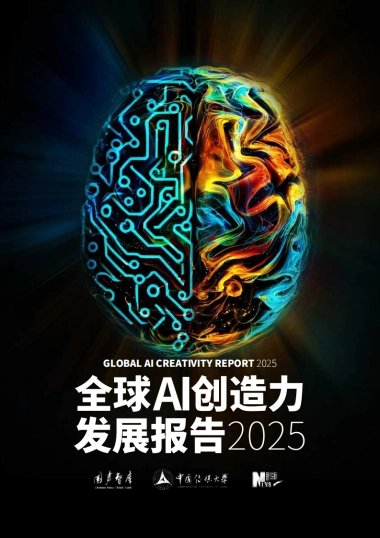 2025年全球AI创造力发展报告-国声智库
 人工智能开源生态研究报告(2025年)-云计算开源产业联盟
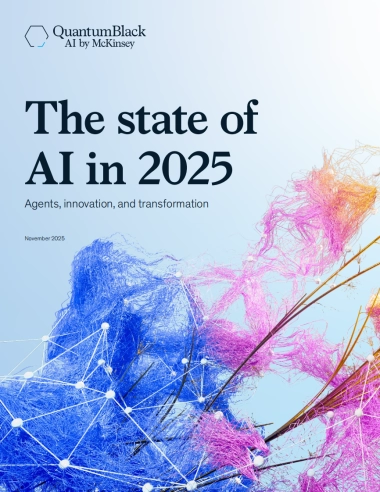 2025年人工智能的现状:智能体、创新和转型
 2025年人工智能企业商业秘密保护指引--浙江省市场监督管理局
 生成式人工智能应用发展报告(2025)-中国互联网络信息中心
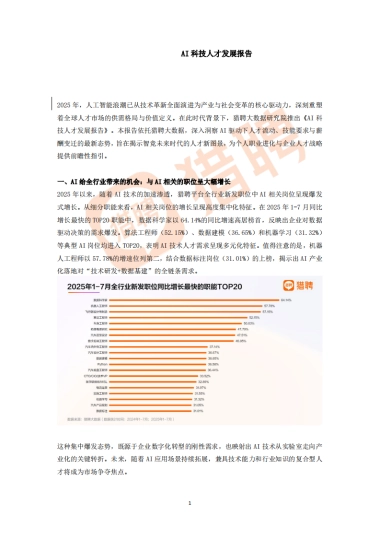 2025年AI科技人才发展报告
 2025年人工智能经济中的就业创造路线图(英文版)-印度国家转型委员会
 2025年人工智能与先进计算融合创新关键技术与基础支撑体系研究蓝皮书-复旦大学