1、当您付费下载文档后,您只拥有了使用权限,并不意味着购买了版权,文档只能用于自身使用,不得用于其他商业用途(如 [转卖]进行直接盈利或[编辑后售卖]进行间接盈利)。
2、本站所有内容均由合作方或网友上传,本站不对文档的完整性、权威性及其观点立场正确性做任何保证或承诺!文档内容仅供研究参考,付费前请自行鉴别。
3、如文档内容存在违规,或者侵犯商业秘密、侵犯著作权等,请点击“违规举报”。
查找下载文件的指引
一、电脑端
- Windows 系统:按下键盘快捷键 `Ctrl + J`,即可打开下载列表。
- Mac 系统:按下键盘快捷键 `⌘ + J`,即可打开下载列表。
二、手机端
1. 打开手机浏览器,点击浏览器右下角的 “≡”(或“更多”)图标。
2. 在弹出的菜单中找到并点击 “下载内容”(或类似选项),即可查看已下载的文件。
提示:不同浏览器界面略有差异,若未找到“下载”入口,可尝试在浏览器设置中搜索“下载”关键词。
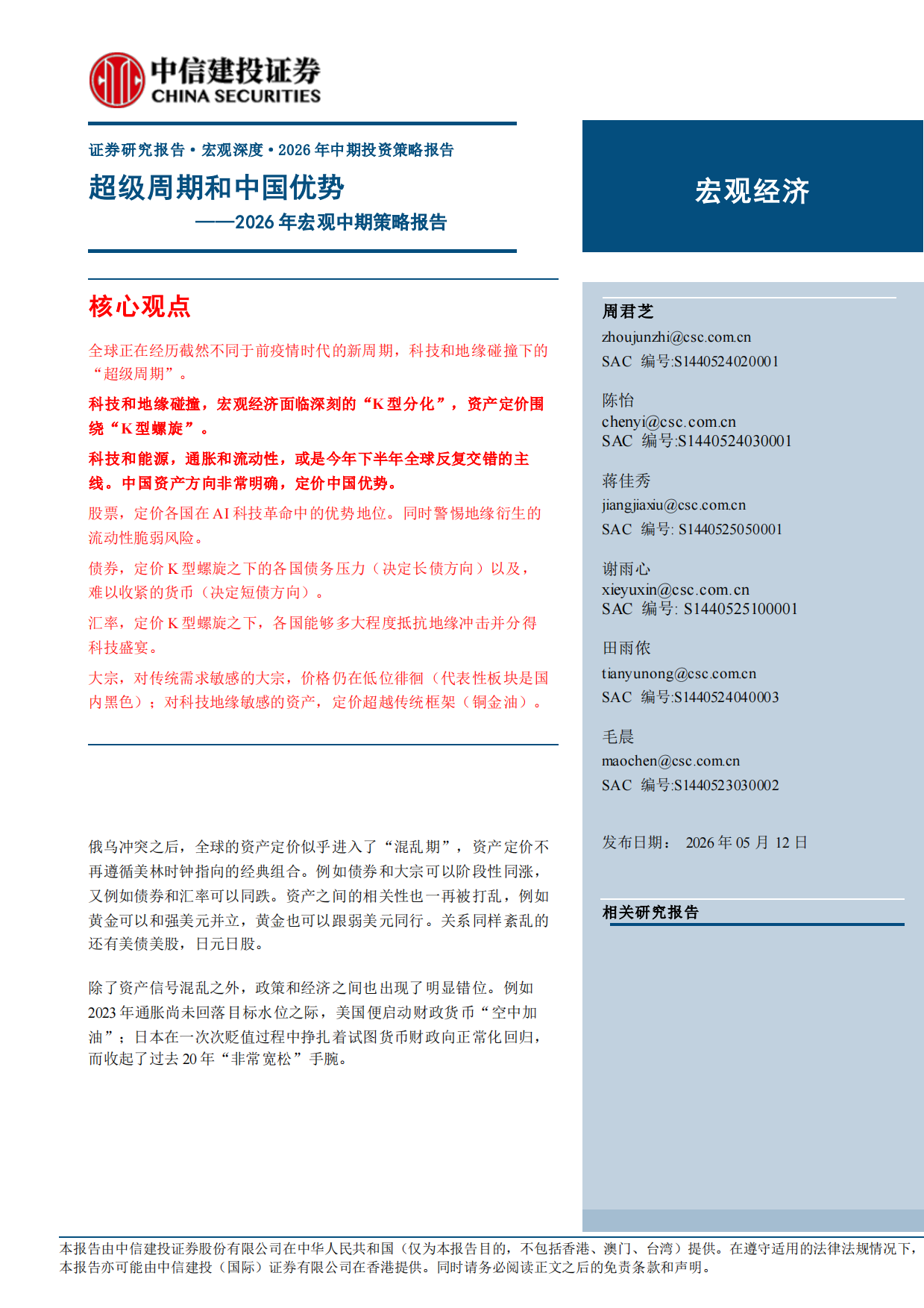 2026年宏观中期策略报告:超级周期和中国优势-中信建投
 2025老龄化世界中的养老金和退休收入:2025年社会保障状况报告背景文件#5(英)-世界银行-63页
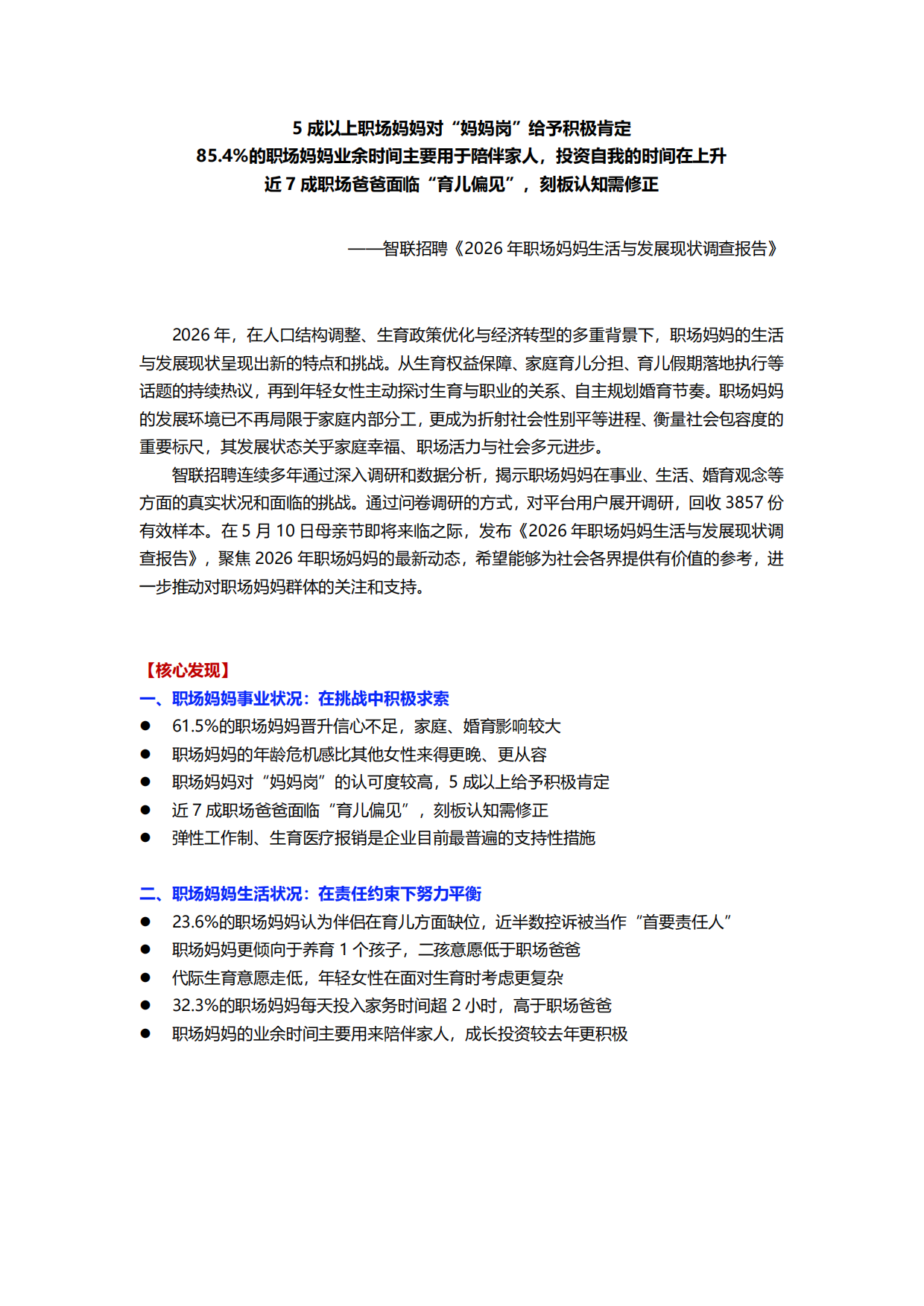 2026年职场妈妈生活与发展现状调查报告-智联招聘
 【NIFD季报】2026年一季度宏观杠杆率报告:名义经济增长修复 宏观杠杆率增幅收窄
 2026年量子计算-算力革命与安全新范式报告-微众银行
 2026年储能市场行情展望:政策催生新动能,需求引领新周期-国泰君安期货
 2026年投资展望报告:在复杂环境中捕捉新契机(英文版)-高盛
 2026年私募市场展望报告(英文版)-贝莱德(BlackRock)
 2026年全球经济与市场展望报告:重塑(英文)-Mercer
 2026年经济与资产展望:经济渐入稳态,风偏继续提升-华西证券
 2025新经济时代精智人群长寿新旅程报告-中宏保险
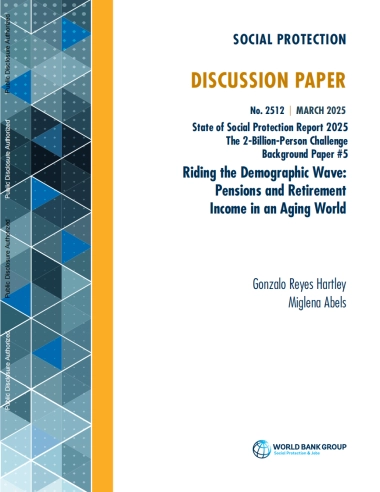 【世界银行】老龄化世界中的养老金和退休收入:2025年社会保障状况报告背景文件(英)
 后疫情时代中国家庭保险需求变化报告-安国保险- 23页
 德勤:后疫情时代的网络安全:聚焦金融服务
 2026年投资管理行业展望报告-德勤
 世界铂金投资协会-2026年第二季度铂金季度(英)
 2026年年中投资展望:世界动荡纷扰?韧性依然存在:不明朗因素拖累市场?重新审视市场以识别机遇-Invesco
 2026年未来产业投资地图系列之“脑机接口”-中信建投
 【渤海银行】与世界对话年度活动策划
 全球医药、医疗行业——2026年-关注慢病迭代,经营质量和现金流-招商证券国际